빨리 빨리 (hurry, hurry)
Like many countries ravaged by war and colonization, South Korea has undergone a dramatic economic explosion in the decades following the 1950s. Industrializing and globalizing feverishly, the country has now become a global leader in the industries of technology, electronics and automobile manufacturing.
This massive collective attitude of worker productivity and over-commodification is aptly given the name “빨리 빨리”, which translates to “hurry, hurry”. In the name of maximizing profit margins, this hustle-culture mentality has lifted many above the poverty line, but like many examples of the unchecked pursuit of capitalist gains, has resulted in side effects. Income inequality is the highest it has ever been in South Korea and the country exhibits the lowest birth rate and highest suicide rate among the entire OECD.
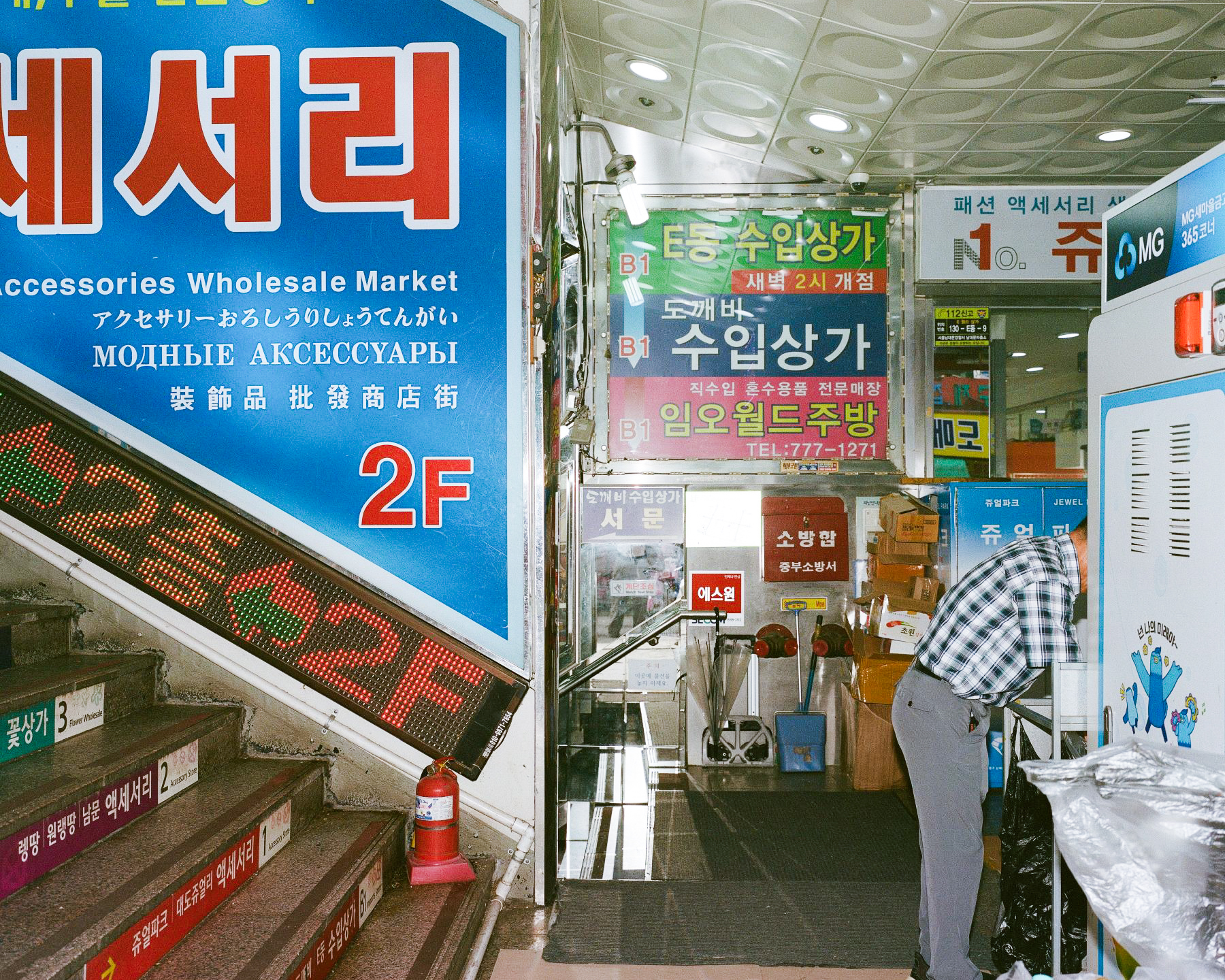
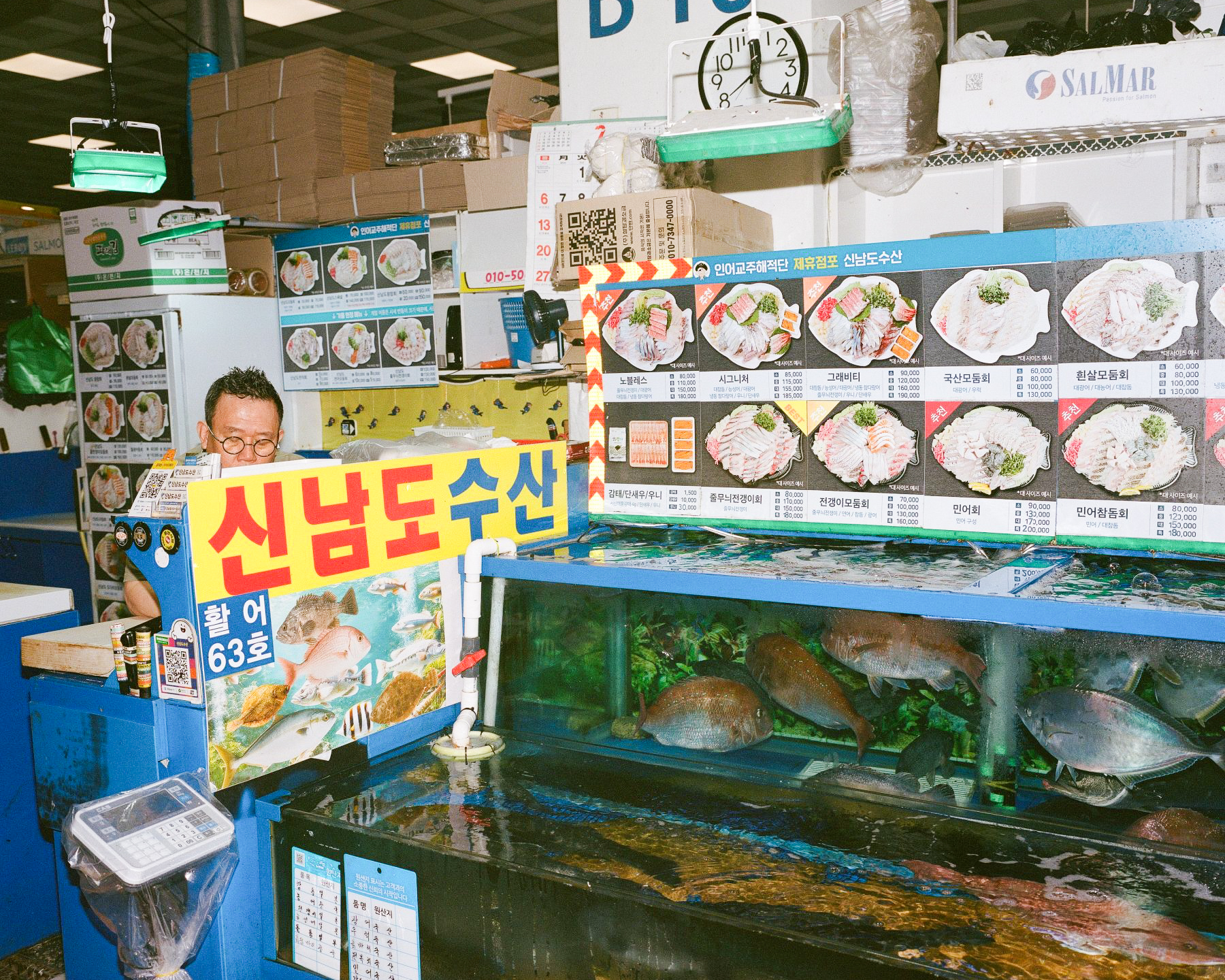
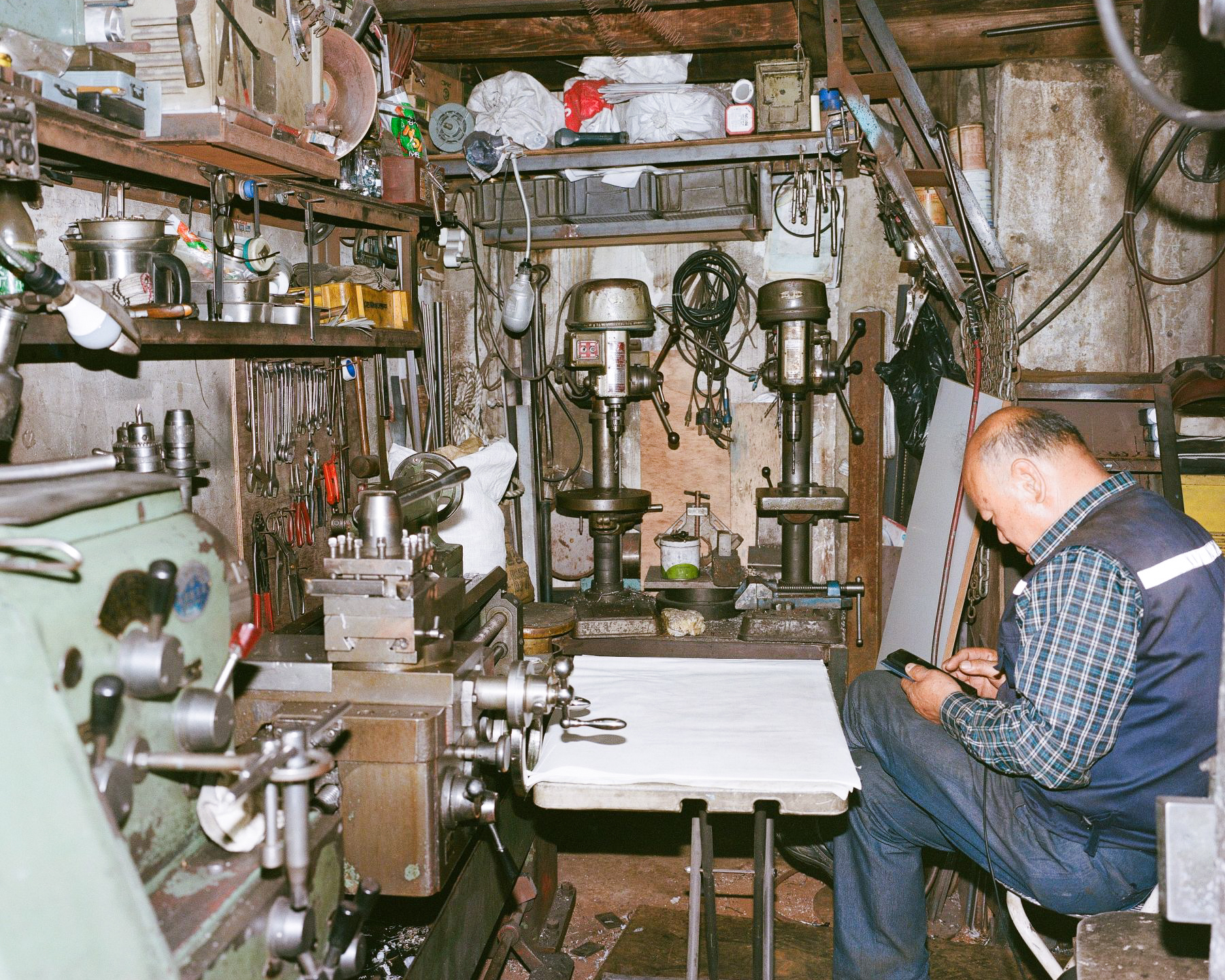
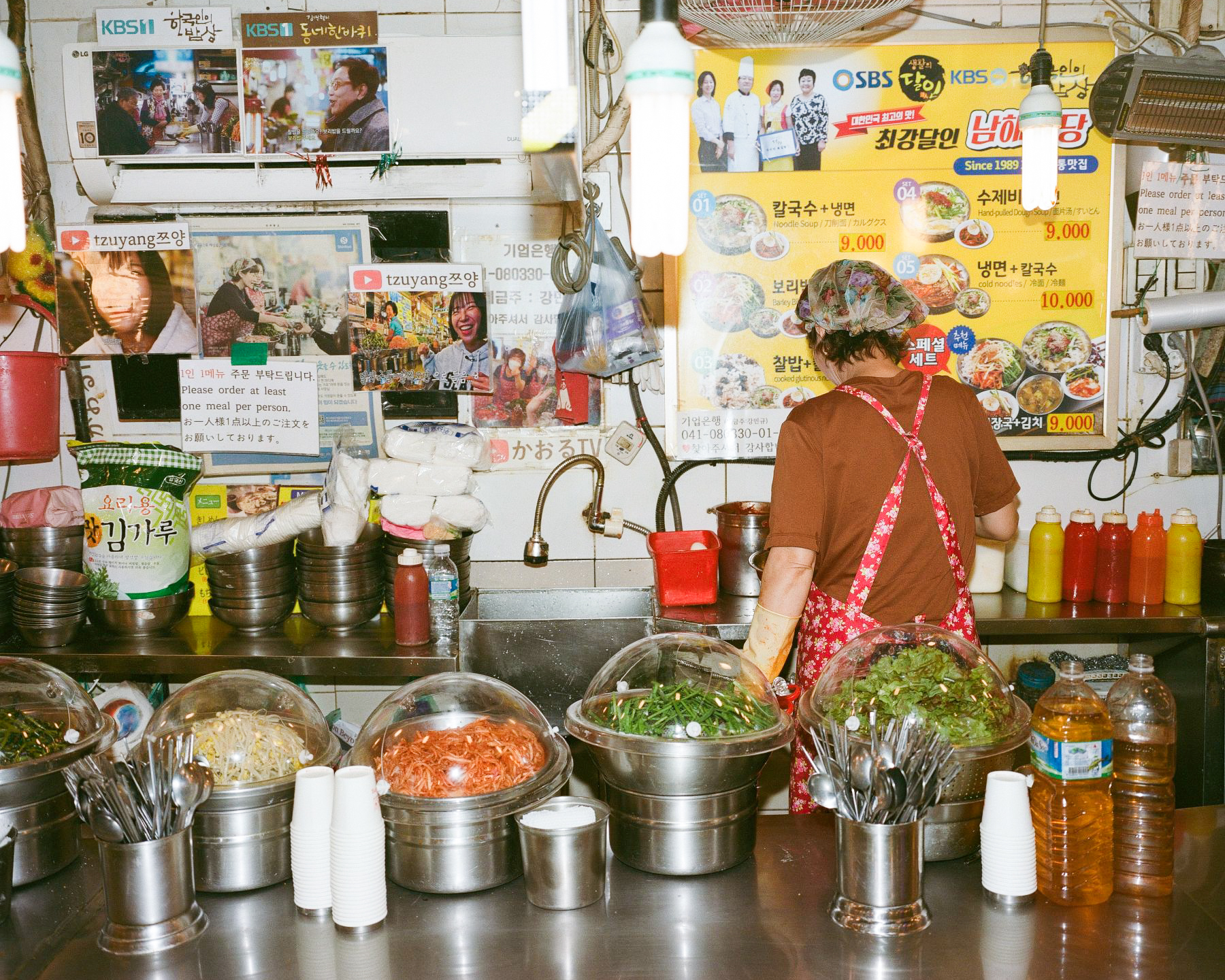
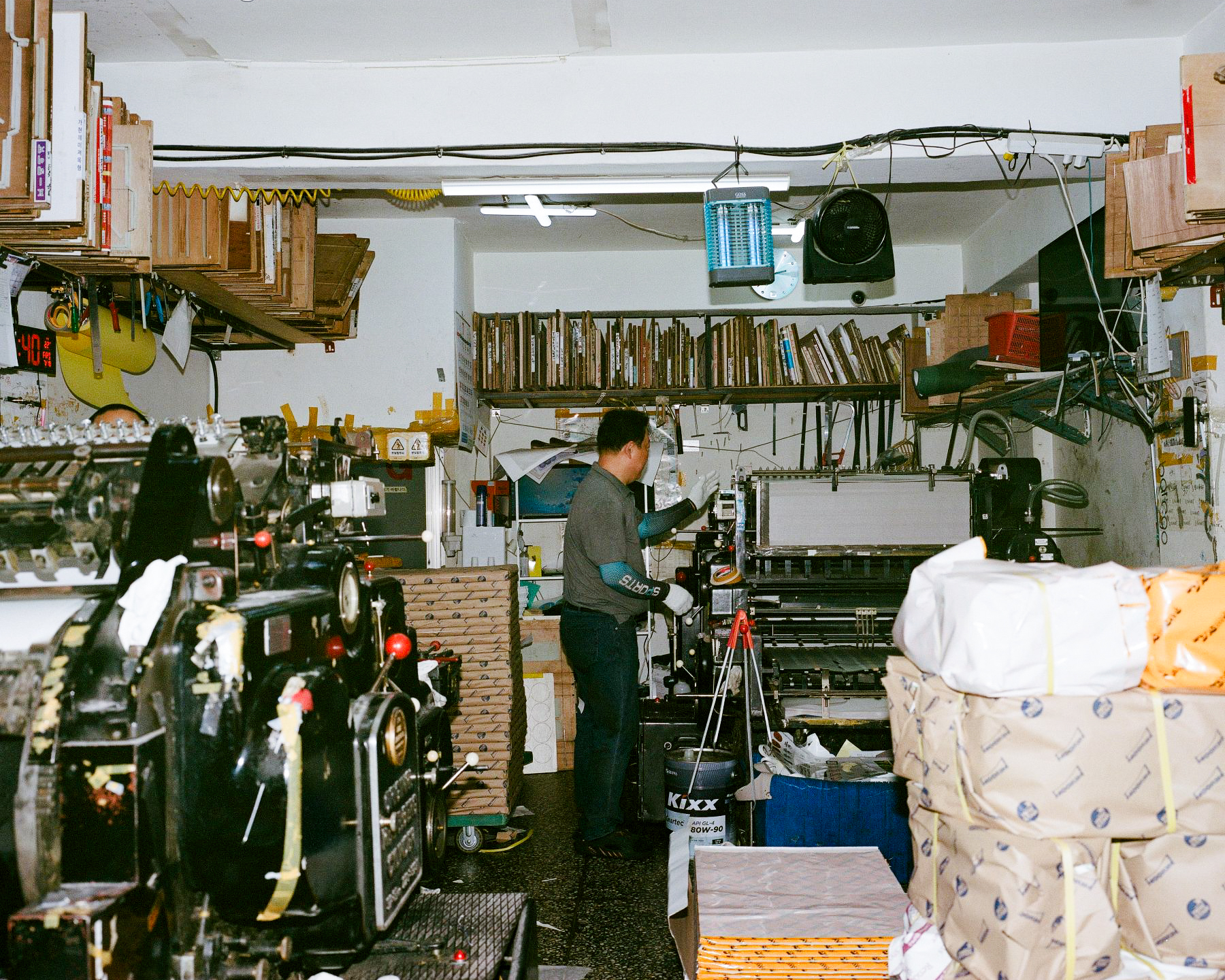
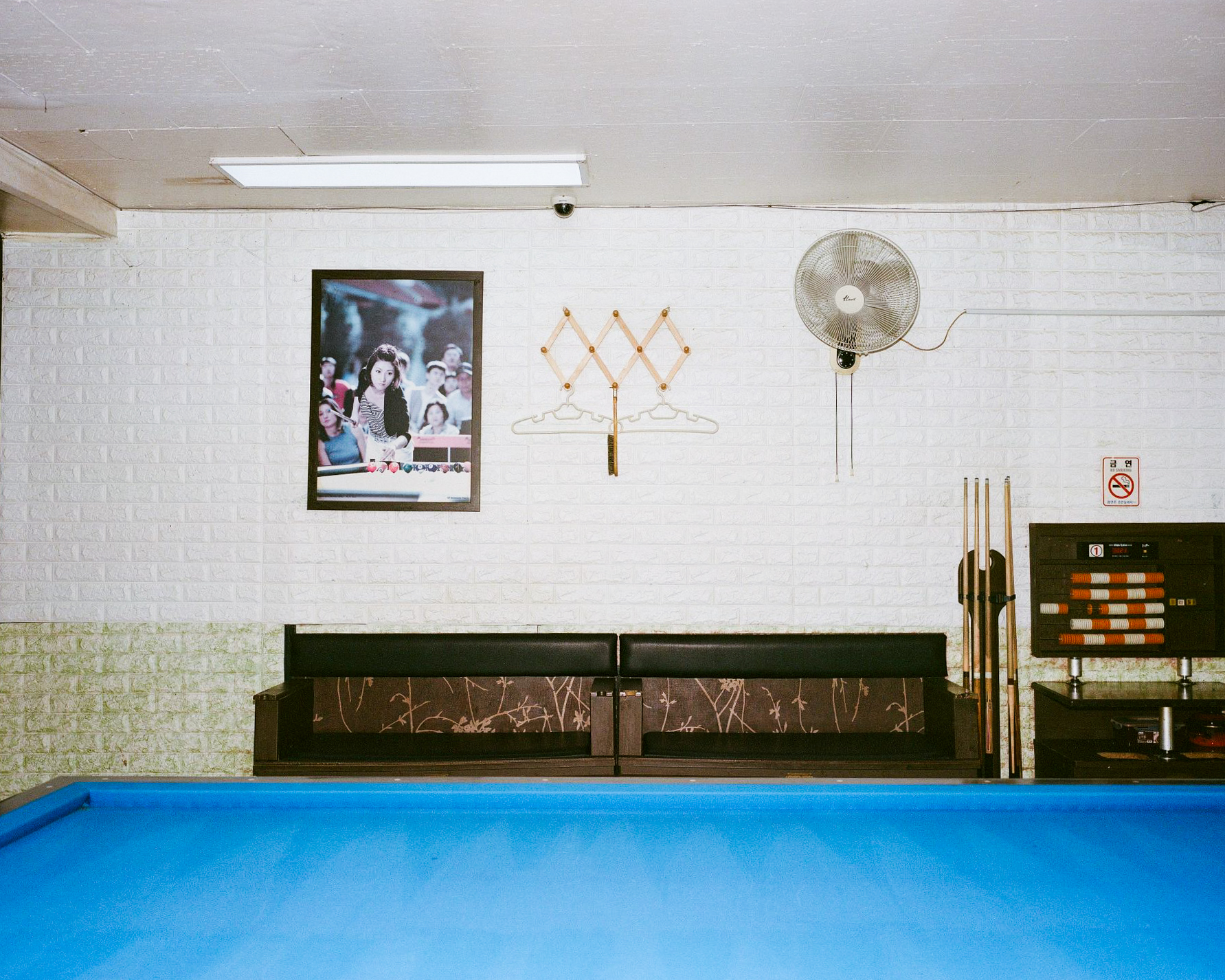
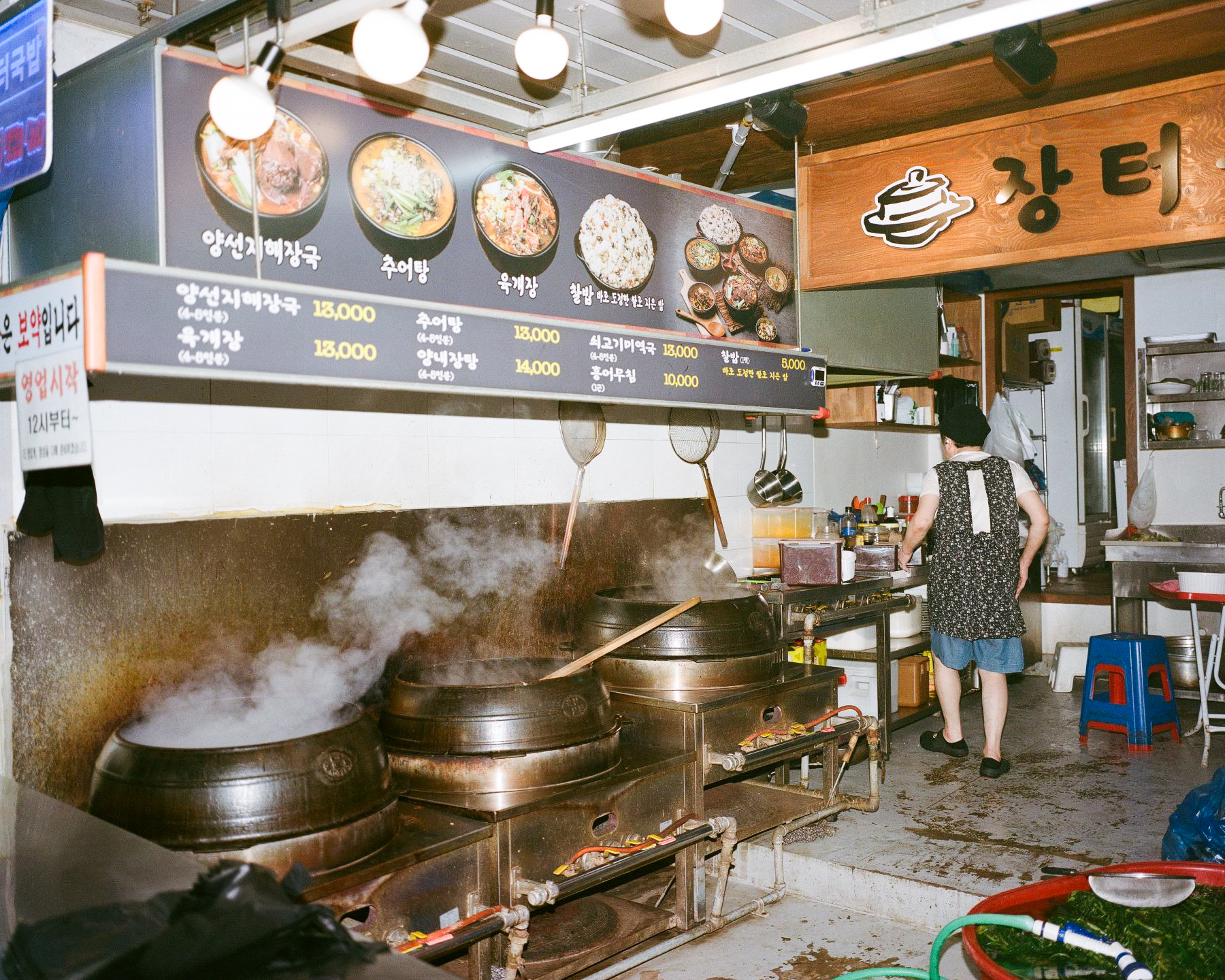
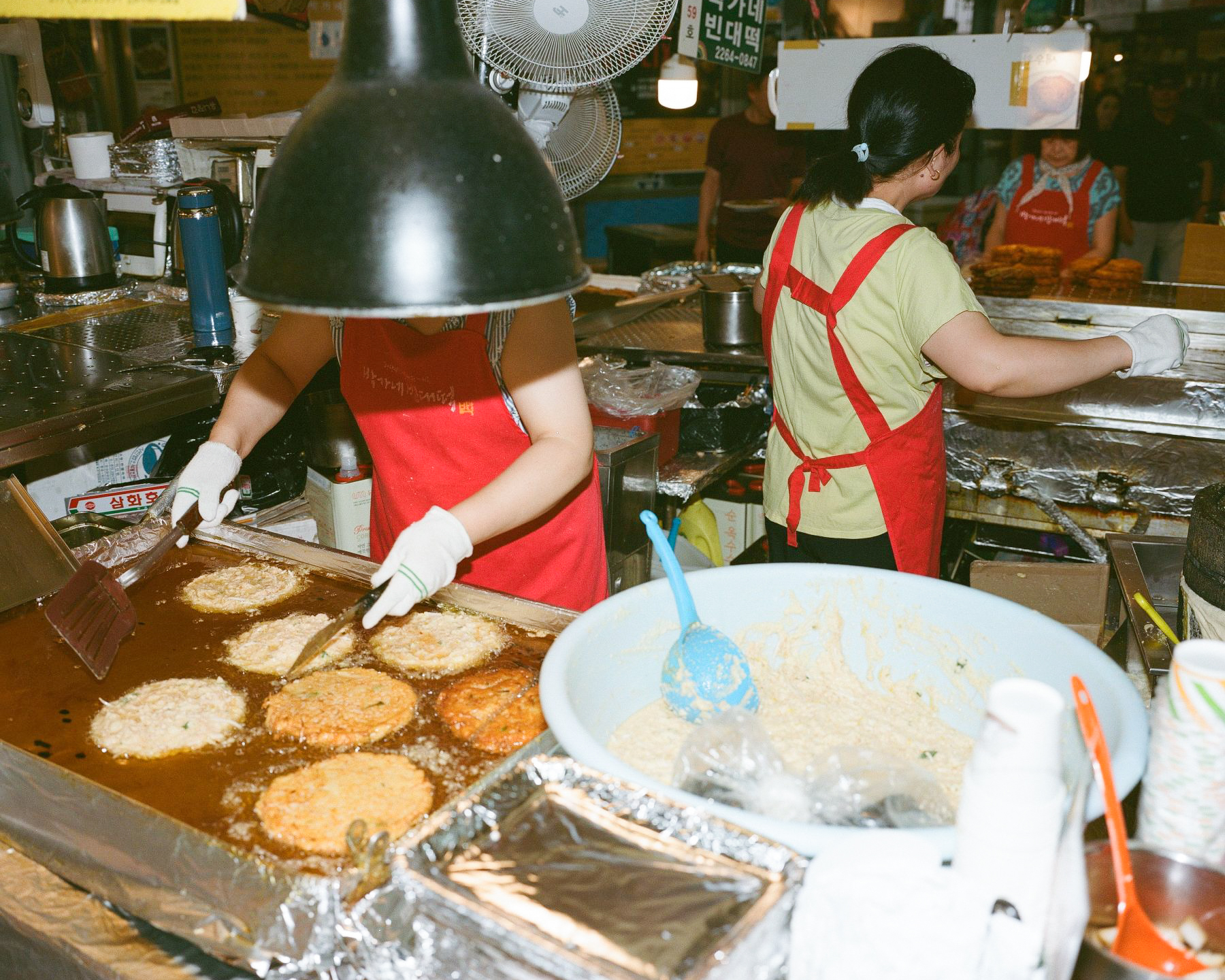
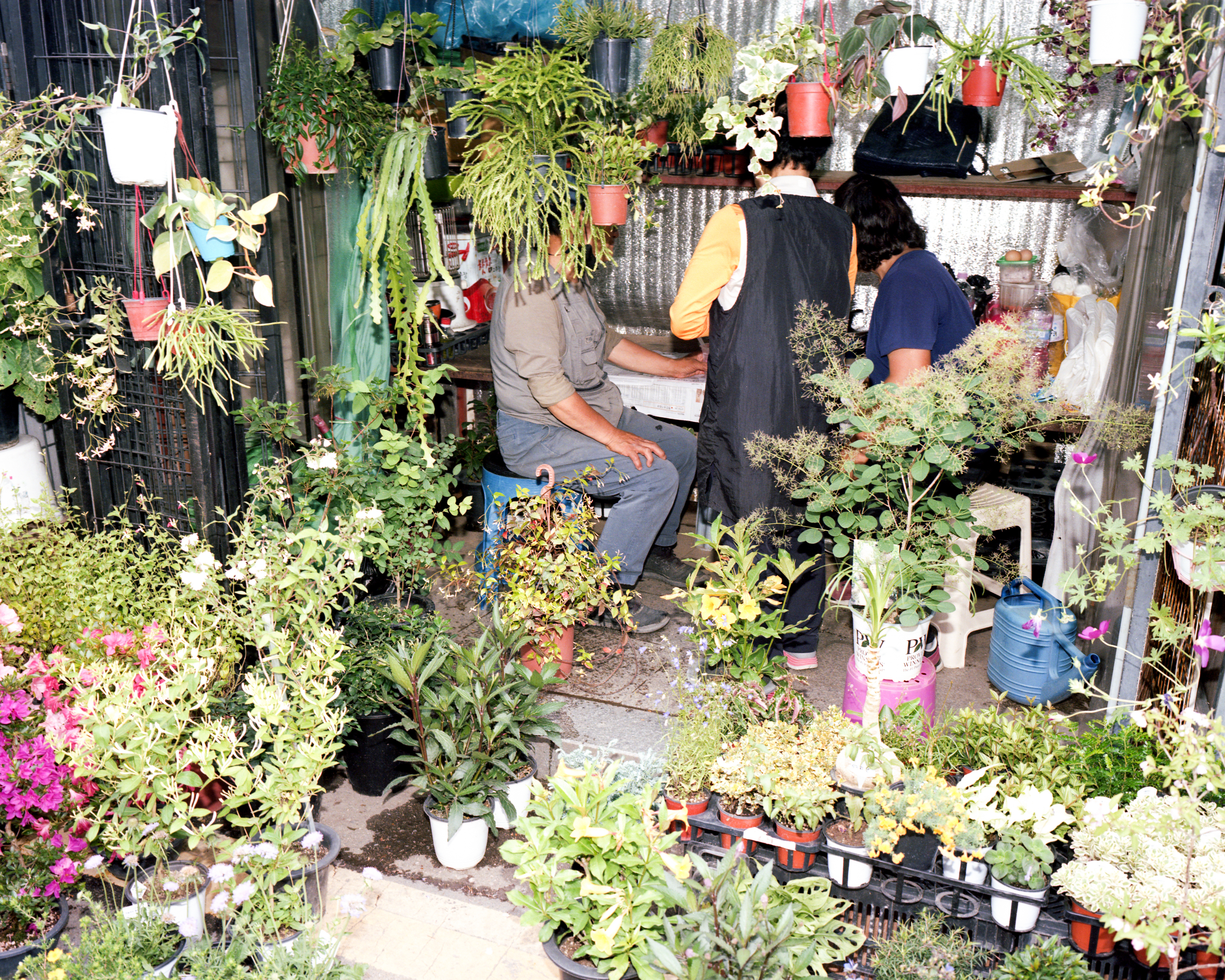
Workers control their small cube of commerce, pumping out food, goods and services as quickly as possible. At the same time, slivers of stillness emerge from the bedlam. The more I attempt to document the chaos, the more idle moments of calm appear and disappear, like some strange paradox or twisted version of the observer effect.
What emerges is a fragile balance between seemingly incompatible forces: productivity and rest, turmoil and peace, concrete and nature. Pockets of silence bubble up from a web of private enterprise, ephemeral yet persistent.